
The Caretaker by Marcus Kliewer Review: Follow the Rules or Pay the Price
Broke and desperate, Macy takes a $9,000 house-sitting job that comes with a VHS tape of deadly rules. Our honest take on Marcus Kliewer's rules horror, how scary it really is and what the red sun ending means.
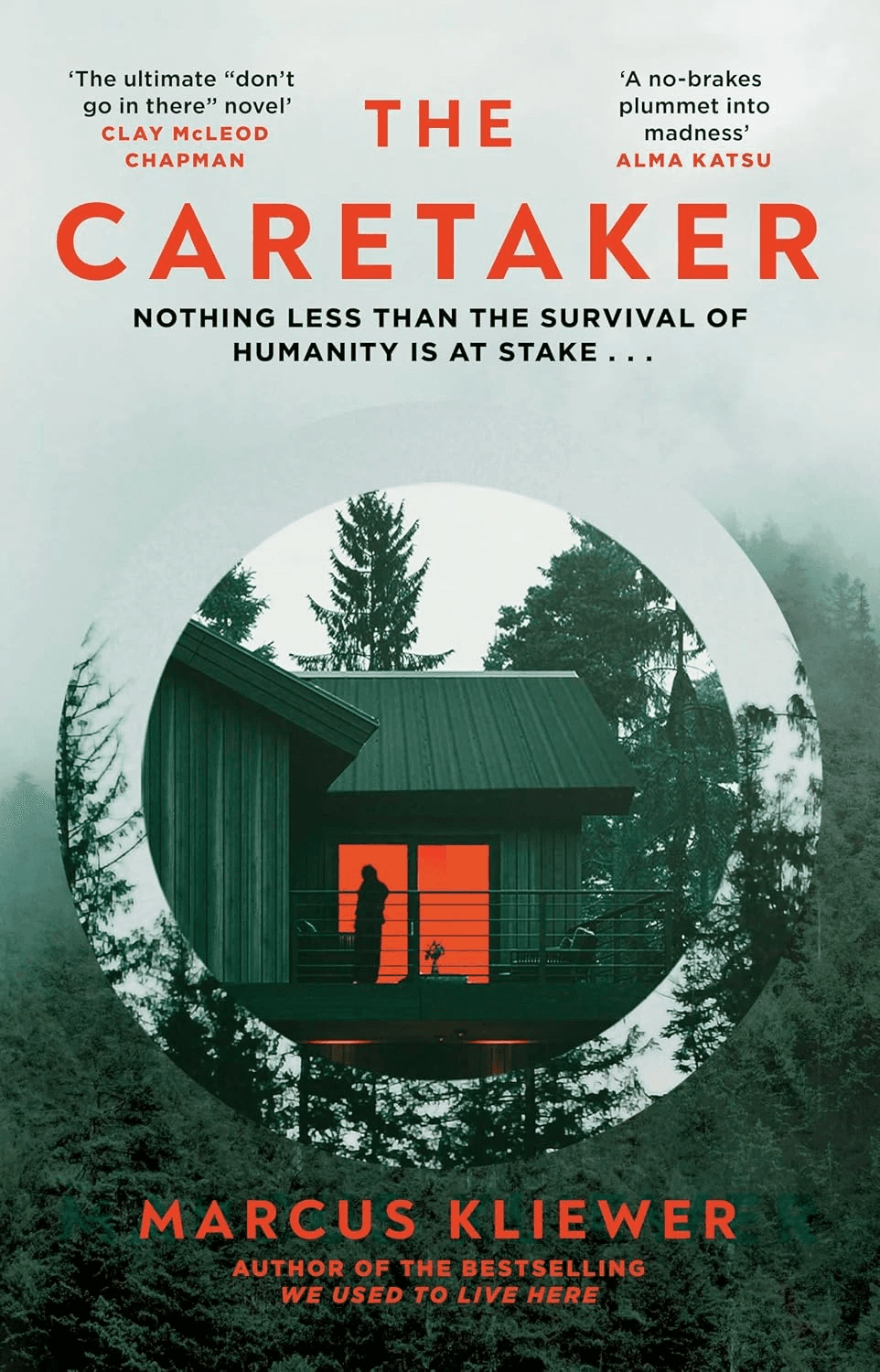
The Caretaker by Marcus Kliewer is the kind of horror novel that makes you want to check the locks before bed. The author of We Used to Live Here returns with a story about a broke house-sitter, a dead man's list of rules and a house that punishes every mistake. We read it from the first page to the last line. Here is our honest review, a spoiler-free summary, who it is for, and a clearly marked section that explains the ending.
What is The Caretaker by Marcus Kliewer about?
Macy Mullins is 22, drowning in debt and trying to keep a roof over her younger sister Jemma's head in Salem, Oregon. Then she answers a strange Craigslist ad: a caretaker urgently needed for three days. The job turns out to be house-sitting for Grace Carnswel, a wealthy widow on the Oregon Coast, and the pay is too good to refuse: nine thousand dollars for one weekend.
There is a catch. Grace's late husband, David, left a VHS tape of rules, which he calls the Rites. Keep every light off between three and four in the morning. Get any rabbit out of the house within ten minutes. Never open the door to anyone with cold blue eyes. Always do exactly what the person on the phone tells you. Once you step onto the property as its caretaker, you cannot quit. If the Rites fail, David warns, a blood-red sun will rise and the evil on the property will spread to the rest of the world.
The Caretaker book summary (spoiler-free)
- Macy treats the rules as an old man's delusions, until a light turns on by itself and she misses the three-minute limit by seven seconds.
- Every failure triggers a sealed envelope with a worse instruction, and the punishments start to reach into her real life.
- Strangers in yellow rain ponchos, called Visitors, appear in the woods, and the old rotary phone keeps ringing with orders from voices she does not know.
- As the weekend goes on, the house starts using Macy's own memories against her: her father's death, her grief and the secret she has never told anyone.
Our review of The Caretaker: what works
Rules horror done brilliantly
If you love rule-based creepypasta, this is the genre at its best. The Rites are simple, and that is what makes them terrifying: a light switch, a rabbit, a knock at the door. Watching Macy scrub back through security footage to count seconds is one of the tensest scenes we have read in years.
A narrator you will root for
Macy is sarcastic, prickly and painfully honest, and her imagined commentary from her little sister is often laugh-out-loud funny. That humour makes the dark turns hit much harder.
Horror with something real underneath
The Rites work as a sharp metaphor for compulsions and depression: the relief of checking a lock again, the voice that says you have ruined everything. Kliewer handles grief and mental illness with real care, which gives the scares weight.
What stood out when we read The Caretaker
Consider a few specific moments from the book that shaped our verdict:
- Chapter 11 is titled Seven Seconds, and it is the moment the book clicked for us. Macy scrubs back through the Ring camera footage, second by second, to work out exactly how long she took to reach the light, and the clinical precision is more frightening than any monster.
- The job comes from a Craigslist post titled Exciting Opportunity, buried among lawn mowing and couch moving ads. It is a funny, believable detail that makes Macy's desperation feel real.
- Jemma is present even when she is not. Macy keeps measuring her own thoughts against what her little sister would say, which gives the book its humour and, later, its heartbreak.
Other takes worth reading: the publisher's page for The Caretaker. For a funnier, folk-horror take on a cursed house, read our The Hollow Places review.
What does not work as well
A slow first act
It takes a while to reach the house, and the setup chapters about debt and job hunting may test impatient readers.
Some of the lore stays deliberately vague
The voices on the phone, the symbols and the entity itself are never fully explained. That keeps the dread alive, but readers who want answers will be left with questions.
It is very dark
Some sequences, including an animal in danger and a mimicked asthma attack, are genuinely hard to read. This is not cosy horror.
Is The Caretaker scary?
Yes. It mixes slow-building dread with a few truly nightmarish set pieces, and the scariest moments come from what you do not see. If We Used to Live Here got under your skin, this one goes further.
Is The Caretaker a sequel to We Used to Live Here?
No. The Caretaker is a standalone novel with new characters and a new setting, so you can start here. It shares the same unsettling home-invasion feel, though, and fans of Kliewer's debut will feel right at home.
Content warnings
The author's own note warns that the book deals with depression, OCD, grief and suicide. Expect:
- Suicide, including a past attempt described in detail
- Depression, grief and obsessive-compulsive behaviour
- Harm to animals
- Graphic violence, gore and body horror
- Strong language throughout
If you are struggling, please reach out to someone. In the US you can call or text 988, and findahelpline.com lists support around the world.
The Caretaker ending explained (spoilers)
Spoiler warning: this section reveals how The Caretaker ends. Skip to the verdict if you have not finished it.
Macy's refusal to burn a white rabbit is the turning point. As punishment, a Visitor arrives wearing the face of her late father, and a VHS tape in the basement tells her she must kill whatever comes for her. In the dark she strikes a figure in the doorway, and it looks exactly like Jemma, right down to her hazel eyes. Convinced she has killed her sister, Macy gives up. When the foyer light switches on at dawn, the final Rite, she deliberately does not turn it off.
She walks to the cliff at the edge of the property, ready to jump. The sun rises gold, and her phone rings: it is Jemma, alive, on her way with help. The figure in the basement, it seems, was another of the house's cruel tricks. For one moment there is relief. Then, as Jemma keeps talking, the sun turns red.
The ending is both hopeful and devastating. Macy chose not to die, and her sister is safe, but the Rite she abandoned has broken. Whether you read the red sun as the end of the world or as the shadow of Macy's depression, Kliewer leaves the last word to dread.
Books like The Caretaker
- We Used to Live Here by Marcus Kliewer: strangers at the door and a house that bends reality.
- The Haunting of Hill House by Shirley Jackson: the classic story of a house that turns a fragile mind against itself.
- Never Lie by Freida McFadden: another trapped-house nightmare full of secrets. Read our Never Lie review.
- Layla by Colleen Hoover: a couple, an isolated house and a presence that will not leave. See our Layla review.
Find more of the books everyone is talking about in our Best Sellers section.
Final verdict
The Caretaker is a gripping, genuinely frightening rules-horror novel with a big heart and a bleak, unforgettable ending. A slow start and a deliberately unexplained mythology hold it back from perfection, but Macy's voice and the relentless tension of the Rites make it very hard to put down. Read it with the lights on, and maybe check the locks twice.
Our rating: 3.9 out of 5. Best for: horror fans, readers who loved We Used to Live Here, and anyone who enjoys rule-based creepypasta.
Timothy Marks is the editor of Book Vampires. He manages the website and its content, reviews fiction across every genre we cover, and checks and approves every review and article we publish.
Keep reading
 Horror
The Cabin at the End of the World Review: Four Strangers, One Family and an Impossible Choice
The Cabin at the End of the World by Paul Tremblay
Four strangers take a family hostage at a remote cabin and demand a sacrifice to stop the apocalypse. Our review of Paul Tremblay's award-winning horror novel, who dies, the ending and Knock at the Cabin.
 Romance
Layla by Colleen Hoover Review: The Ghost Story That Divides Readers
Layla by Colleen Hoover
After Leeds and Layla are shot by his jealous ex, he takes her back to the inn where they fell in love, and something else is waiting there. Our verdict on Colleen Hoover's ghost story, plus the ending explained.
 Romance
Atmosphere Book Review: Is Taylor Jenkins Reid's Novel Worth Reading?
Atmosphere by Taylor Jenkins Reid
Joan can speak to Vanessa from Mission Control, but everyone in the room can hear. Taylor Jenkins Reid builds a slow-burn romance around that tension. Our verdict is 4/5.